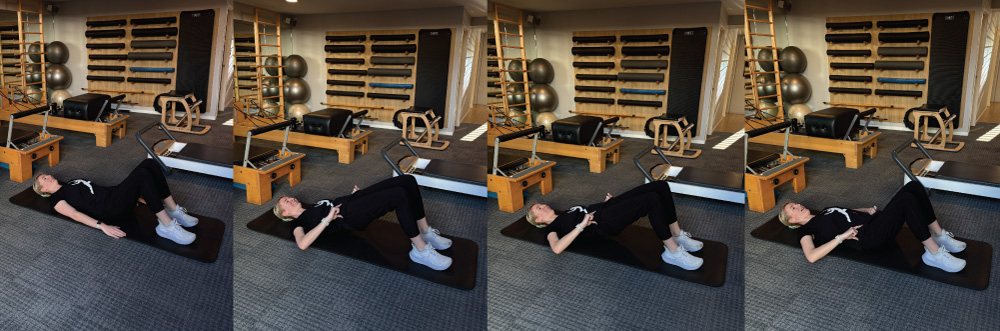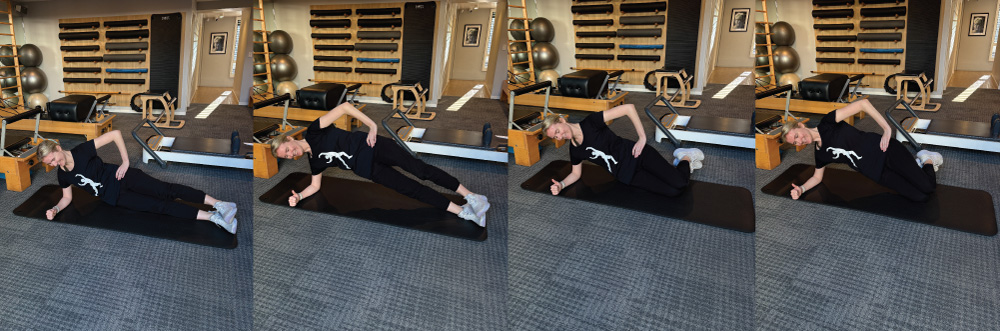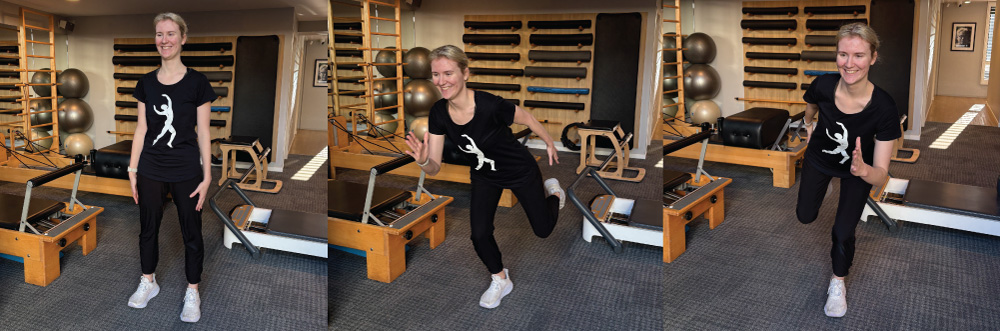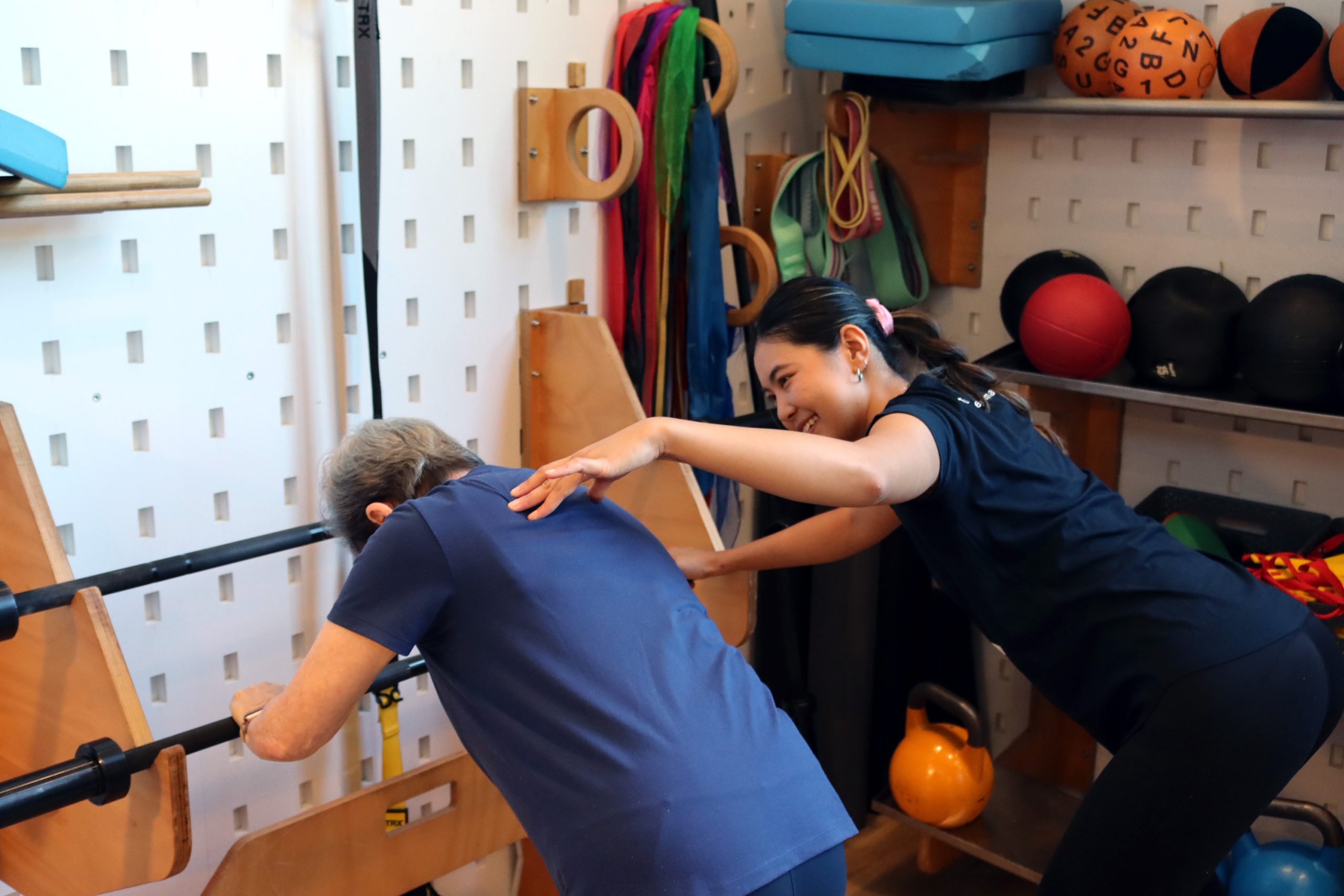

Parkinson’s Disease (PD) is the second most common neurological disease in Australia, with over 150,000 people living with the neurodegenerative condition, and 50 Australians diagnosed every day (Parkinson’s Australia, 2026).
PD is a progressive brain disorder where the loss of dopamine-producing cells causes shaking, stiffness, and slowed movement. Research supports exercise as:
- a primary prevention strategy
- a potential disease-modifying therapy
- effective symptomatic treatment
Current evidence suggests exercise should be individually prescribed as medicine to patients living with early-stage PD, alongside conventional medical treatment (Langeskov-Christensen et al., 2024).
Exercise and Risk Reduction of PD
A combination of genetic and environmental factors are associated with the development of PD. Whilst the genetic contribution to PD is limited, exercise is classified as a modifiable protective lifestyle factor. Evidence supports those who engage in higher levels of moderate to vigorous exercise in mid to late life have a reduced risk of developing PD (Langeskov-Christensen et al., 2024).
Exercise and PD Management
Leading PD exercise experts advocate for exercise as a potentially disease-modifying treatment (i.e., affecting the underlying pathology of the disease) and/or as an adjunct neuroprotective treatment (Langeskov-Christensen et al., 2024).
Aerobic Exercise and Resistance Training
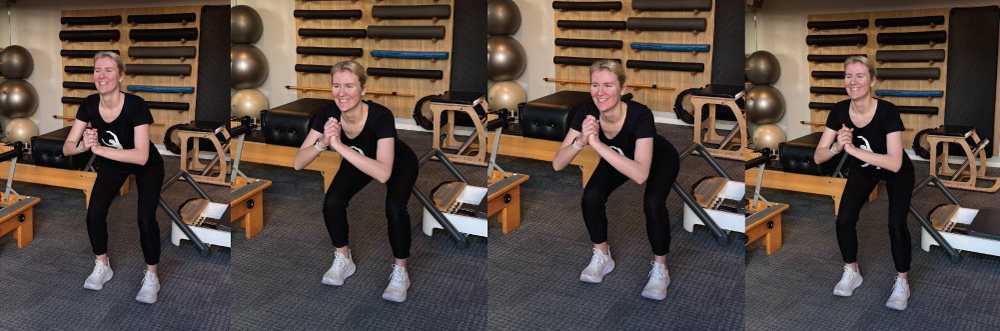
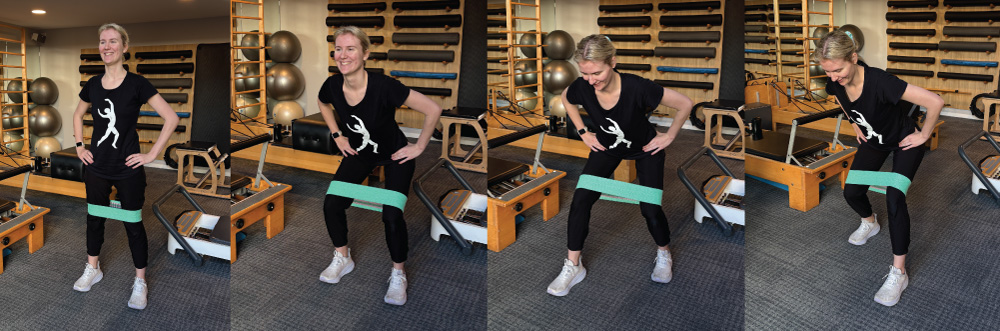
Studies indicate that aerobic exercise prevents the loss of, protects, and/or restores dopaminergic neurons and reduces toxin-induced lesions in the nigrostriatal pathway, thereby improving PD associated symptoms and potentially slowing disease progression. Research also demonstrates that progressive resistance exercise leads to improved strength, mobility and cognition, thereby also displaying a neuroprotective effect for PD patients. Further to this, increased engagement in general exercise has been shown to reduce the deterioration of activities of daily living, processing speed, postural instability and gait disturbance; symptoms that are refractory to medication (Langeskov-Christensen et al., 2024).
Balance Training
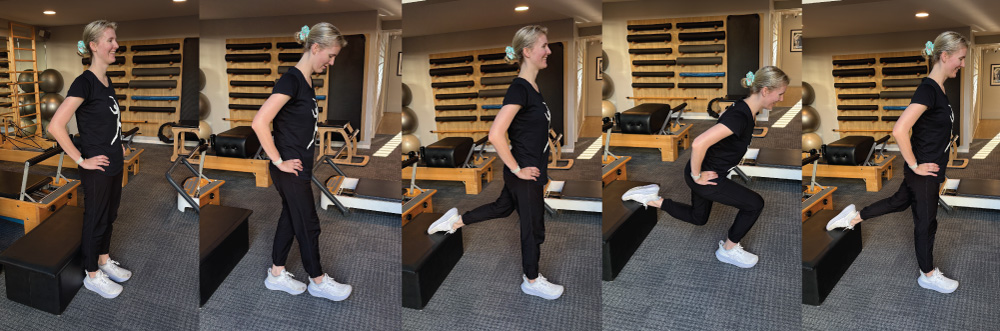
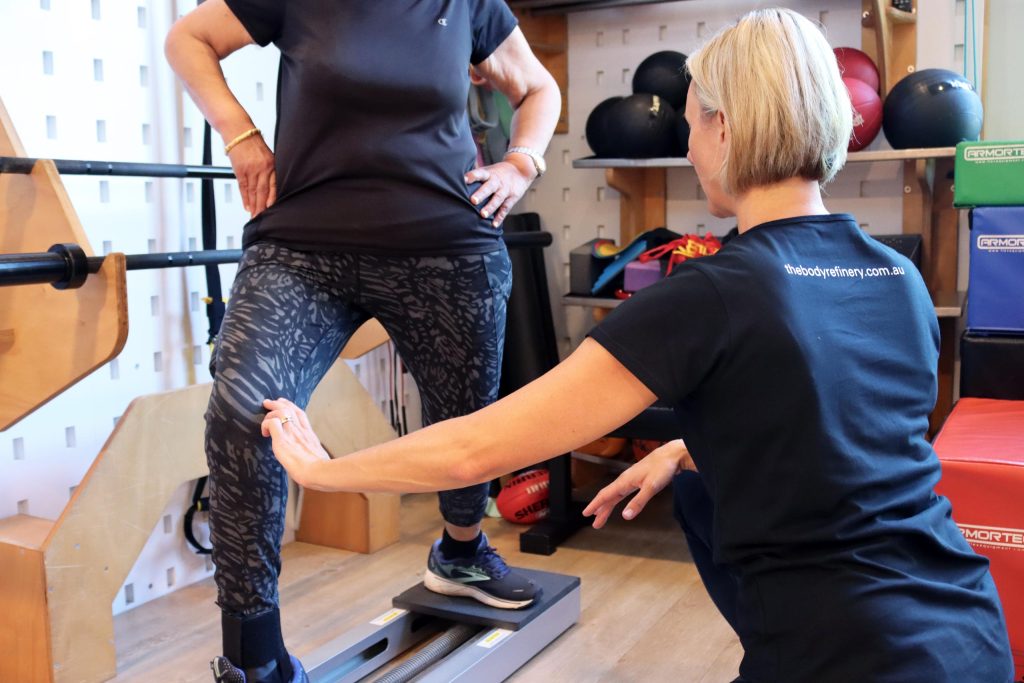
PD is associated with a higher falls risk, primarily due to postural instability, gait abnormalities, fatigue and cognitive impairments. The incidence of falls in older adults living with PD ranges between 35-90%, placing PD patients at a higher risk of physical injury and hospitalization. This highlights the importance of balance training for this population. A combination of static and dynamic balance tasks are beneficial, helping to increase proprioceptive awareness and improving patients’ ability to react to instability (Seitaridis, n.d.).
Exercise and Neuroplasticity
Neuroplasticity enables appropriately targeted and sufficiently intensive exercise to promote the formation of new neural connections in the brain, improving symptoms and potentially slowing disease progression. However, general exercise is often not challenging or specific enough to induce these neuroplastic changes. This highlights the importance of neuroactive exercise, which is specifically designed to stimulate and engage the brain and nervous system, promoting changes in neural function and structure through neuroplasticity rather than simply improving cardiovascular fitness or muscle strength (Central Coast Exercise, 2026).
What The Body Refinery offers
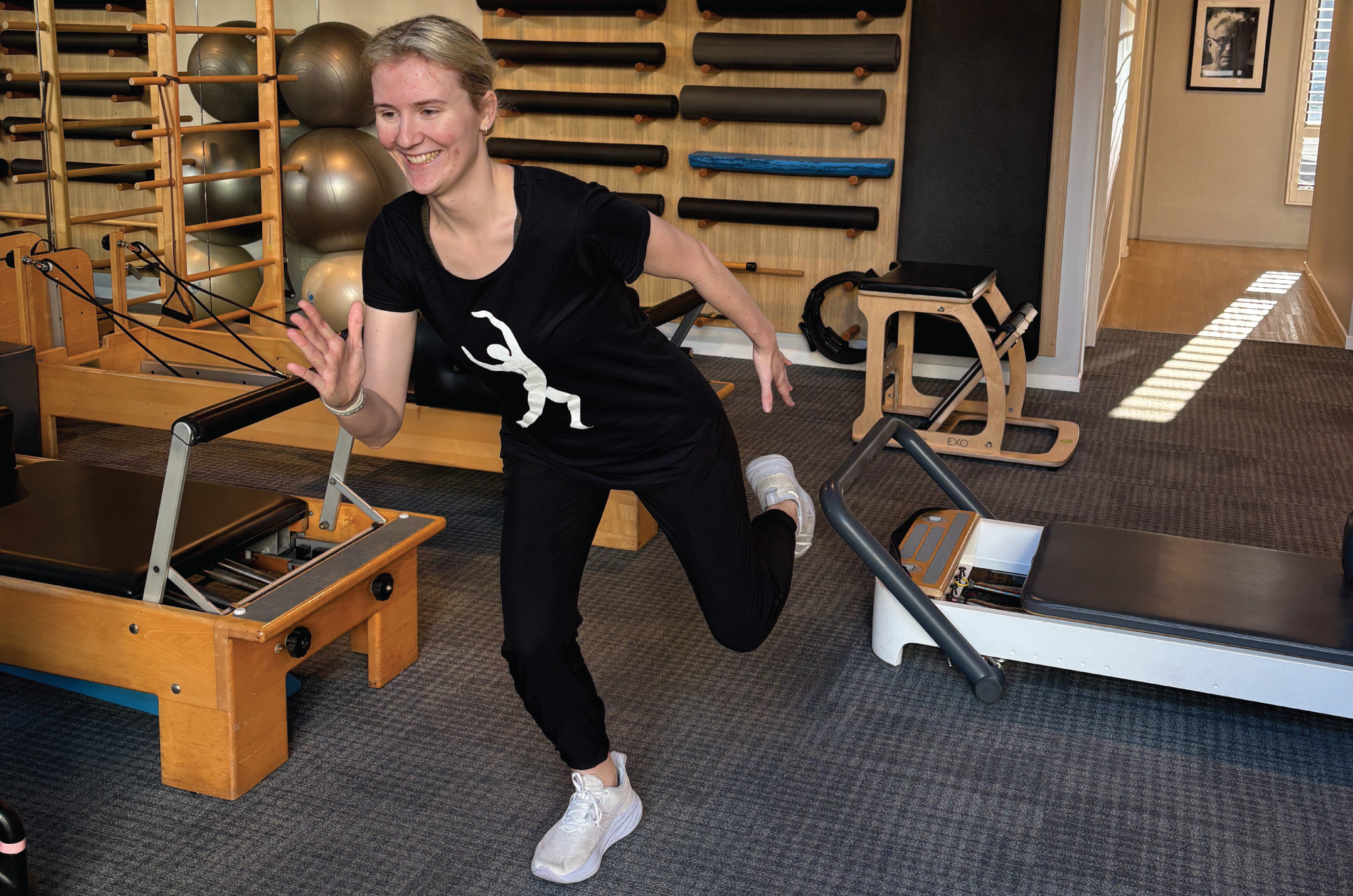
PD Warrior (PDW) exercise programs lead the way in neuroactive exercises designed to retrain brain function and improve PD symptoms. PDW programs apply seven core principles to achieve the best results (PD Warrior, 2024). These include:
- Specificity
- High effort
- Frequency
- Powerful
- Complex
- Salience
- Fun
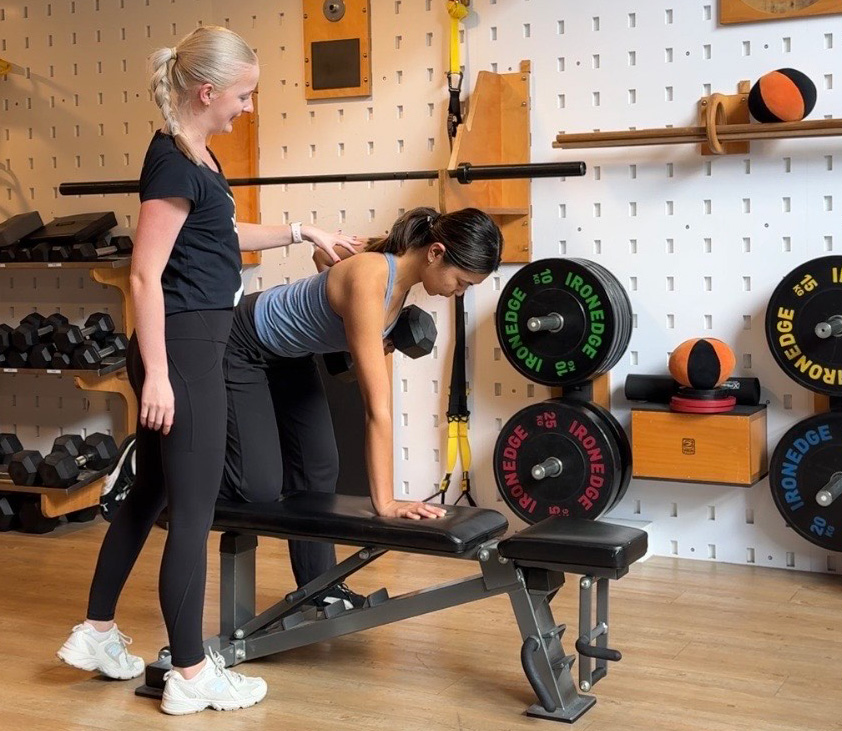
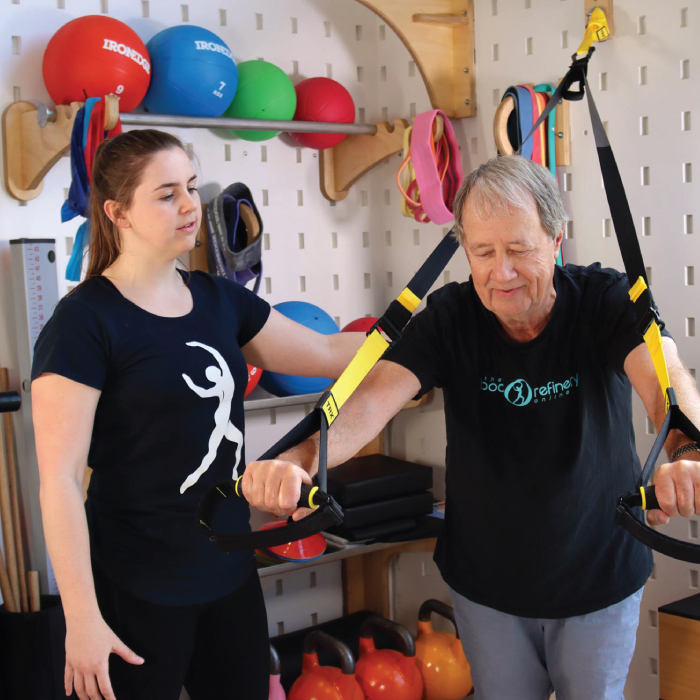
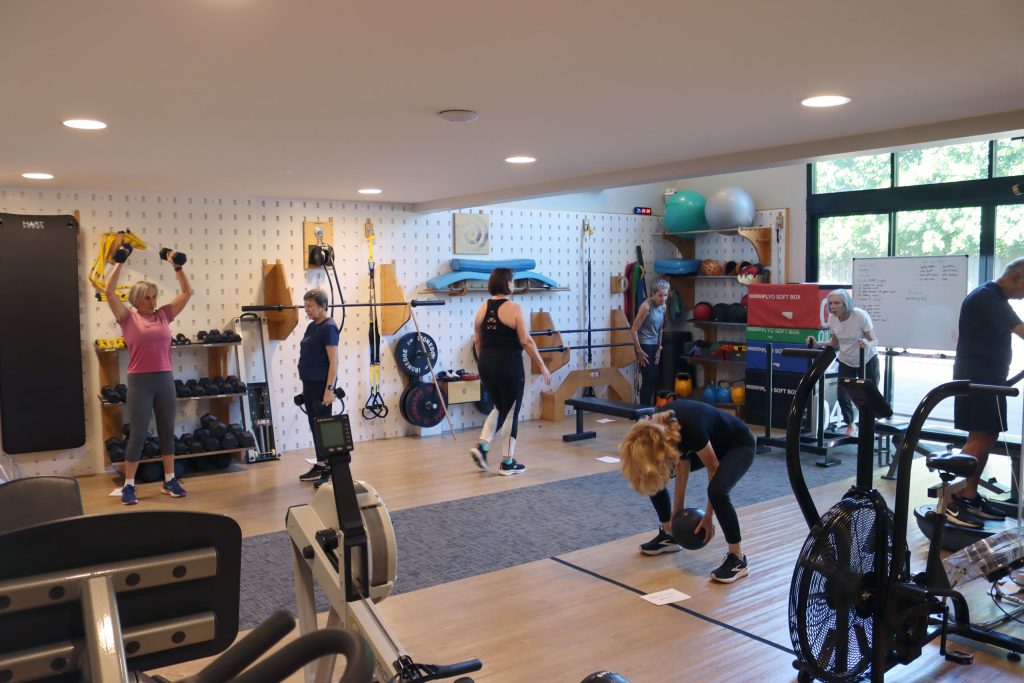
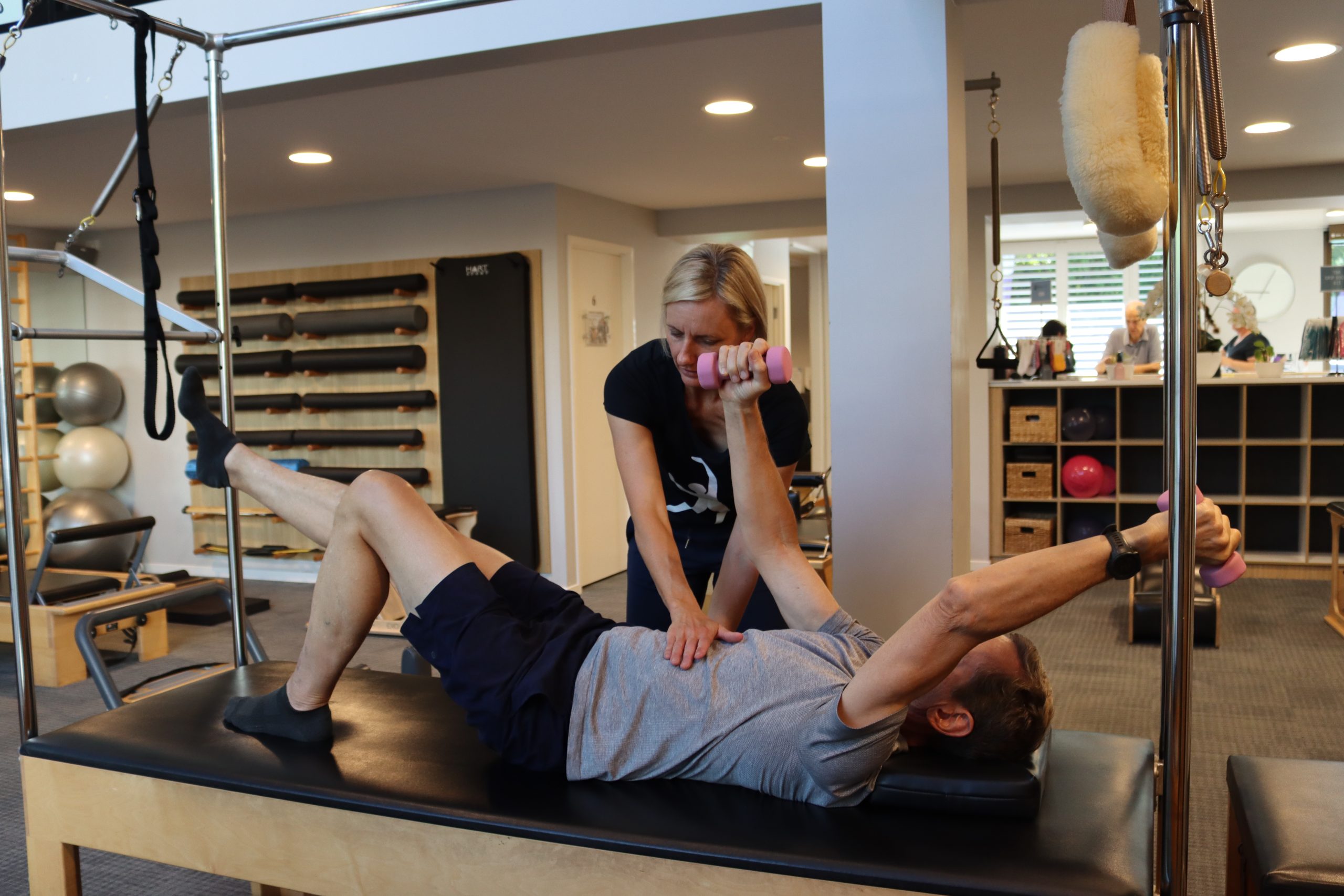
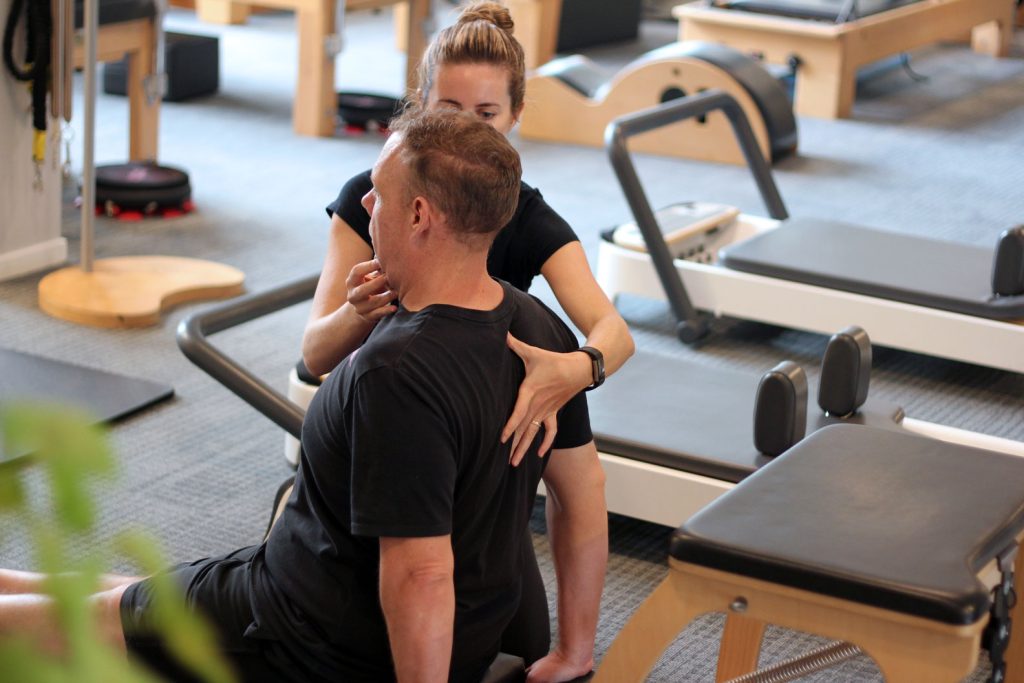
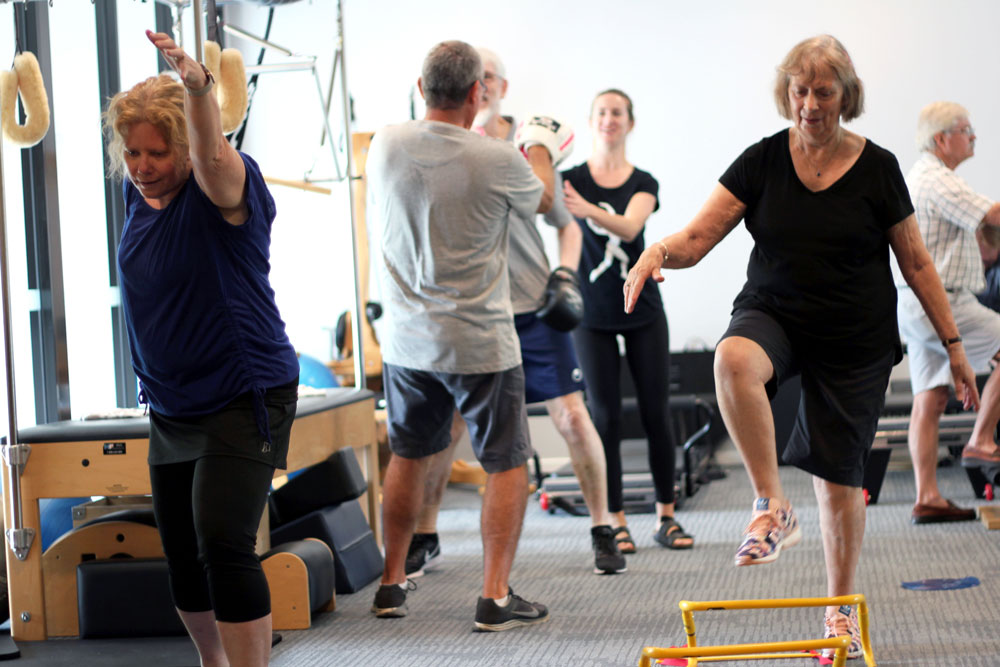
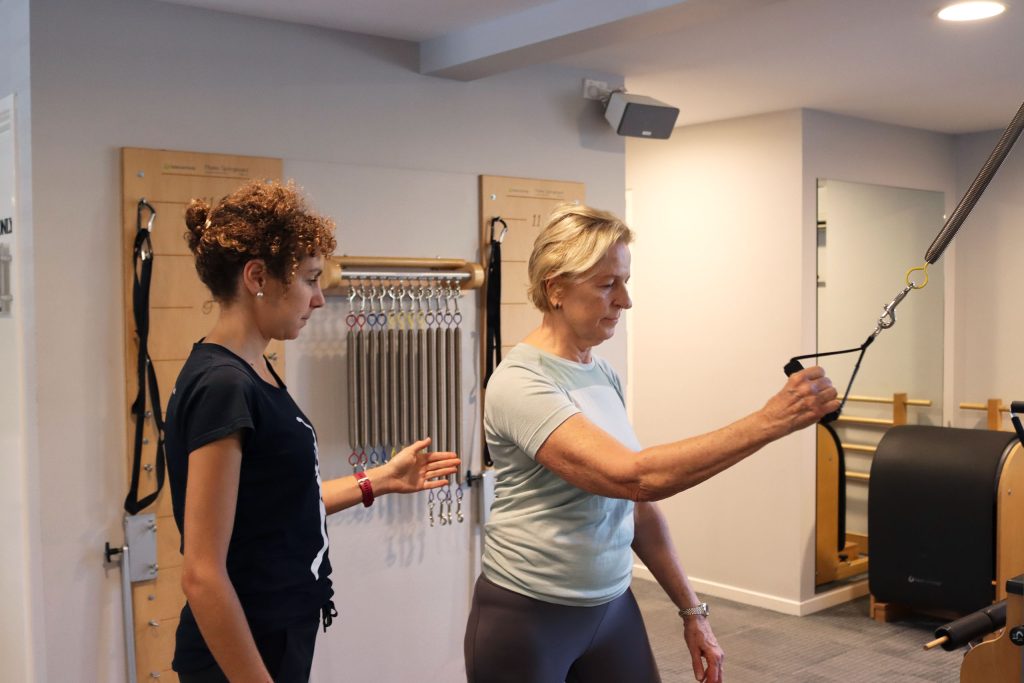
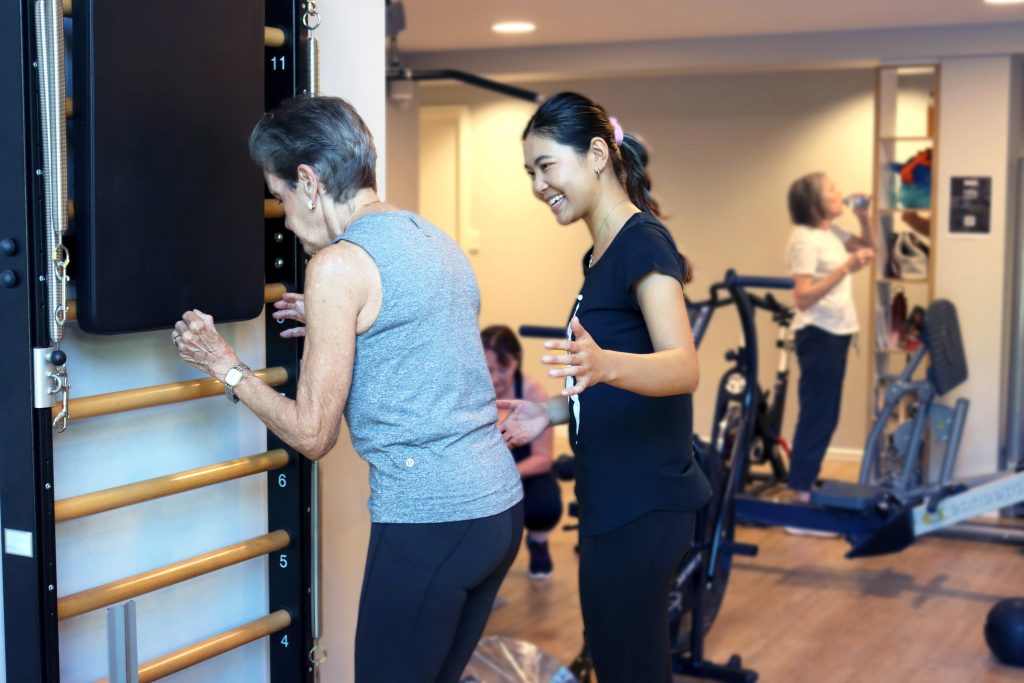
The Body Refinery offers PDW group classes, which focus on PD-specific neuroactive exercise, in addition to functional strength, aerobic and balance exercise. These classes provide an opportunity for social interaction and connectedness for patients. Our team of Exercise Physiologists also offer private 1:1 PDW sessions, which provide more personalised and tailored exercises and are particularly suitable for those at a later stage of disease progression, at a higher falls risk or who rely heavily on consistent cueing and guidance to get the most out of the exercises.
Blog written by Exercise Physiologist: Abbey
_ _ _ _
References
1. Central Coast Exercise. (2026). What is Neuroactive Exercise? Retrieved from Central Coast Exercise: https://centralcoastexercise.com/2022/07/what-is-neuroactive-exercise/
2. Langeskov-Christensen, M., Franzén, E., Grøndahl Hvid, L., Dalgas, U. (2024). Exercise as medicine in Parkinson’s disease. Journal of Neurology, Neurosurgery & Psychiatry, 1077-1088.
3. PD Warrior. (2024, July 12). Exercise for Parkinson’s Disease: Fighting Parkinson’s One Workout at a Time. Retrieved from PD Warrior: https://pdwarrior.com/exercise-for-parkinsons-disease-battling-parkinsons-one-workout-at-a-time-2/
4. Parkinson’s Australia. (2026). Statistics. Retrieved from Parkinson’s Australia: https://www.parkinsons.org.au/statistics/
Parkinson’s Australia. (2026). Types of Exercise Recommended for Parkinson’s Disease. Retrieved from Parkinson’s Australia: https://www.parkinsons.org.au/information-hub/exercise/types/
5. Seitaridis, S. (n.d.). Parkinson’s Disease and Falls. Retrieved from Medicine in Motion: https://www.medicineinmotion.com.au/the-importance-of-balance-training-for-those-living-with-parkinsons-disease/